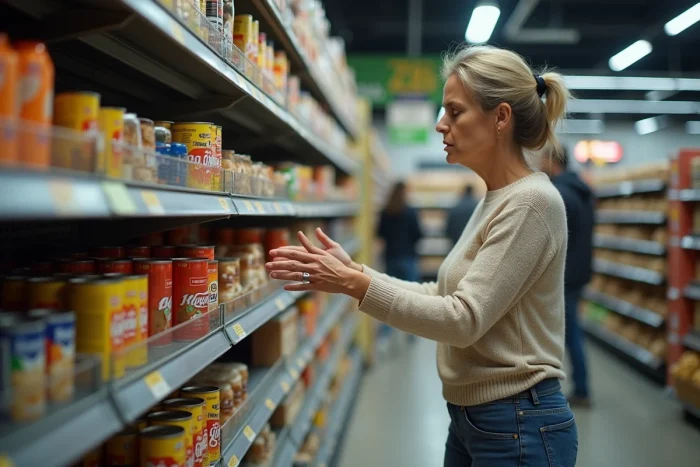
The list of goods protected by national stocks does not guarantee access to all everyday products. French distribution channels still largely depend on external sources for certain foods, despite the stated self-sufficiency policies. The shortages observed in 2022 regarding sunflower oil and mustard revealed the overlooked points of fragility to the general public.
Some essential products escape traditional security measures. This structural vulnerability exposes us to targeted shortages, independent of strategic stocks or usual flows.
Food Shortage in France in 2026: Understanding the Causes and Warning Signs
The first symptoms of a food shortage in France 2026 are no longer going unnoticed. Markets are rumbling, and international tensions are rising. As soon as inflation surges and oil prices climb, everything shakes. More expensive transport, costlier production, and the price of goods skyrockets. The consequences of the war in Ukraine weigh heavily on wheat, oil, and corn, while instability in the Middle East casts uncertainty over the Strait of Hormuz, a critical point for energy.
Seeing empty shelves is no longer exceptional. What once seemed temporary is settling in, slowly but surely. Emily Mayer, director of studies at Circana, points out the real problem: when the cost of raw materials explodes, the price of the shopping basket rises and weighs on every household. Major retailers struggle to juggle slowed deliveries, emptying warehouses, and unpredictable prices. Nothing seems stable anymore.
Alerts from field actors are multiplying. At the French Red Cross or the National Federation of Civil Protection, the pressure is mounting, and calls for help are increasing, symptomatic of a precariousness that is gaining ground. In the face of these alarming signals, it has become urgent to observe, understand, and act. The data shared in the article “food shortage in France 2026” highlights a documented systemic risk that is no longer a matter of fiction.
Which Products Are Really at Risk of Running Out on the Shelves?
The food shortage in France 2026 is disrupting habits and redefining the notion of food security. Some food products, once taken for granted, are becoming uncertain. The first cracks affect the foods that form the basis of daily life.
Here are the food categories that concentrate the highest risks of shortages:
- Eggs: Shortages are multiplying, a consequence of rising animal feed costs and repeated health crises that weaken the sector.
- White rice: Highly dependent on imports, it is severely impacted by pressure on global markets and any logistical disruption.
- Legumes (lentils, peas, oats): Sought after for their easy storage and nutritional value, they are becoming in demand, even as demand explodes and harvests become capricious.
- Dairy products: The milk market is tightening, production costs are rising, and shortages threaten butter, yogurt, or cheese.
Wheat and its derived products, on the other hand, are suffering the direct impact of the Ukrainian conflict. As for sugar, sunflower oil, and rapeseed oil, they are experiencing unexpected absences, caught in the storm of the markets. Even chocolate and coffee, flagship products of globalization, are wavering.
From the professionals’ side, the observation is clear: monitoring stocks has become a constant exercise, with ongoing adaptation. Consumers, for their part, see the change daily: rising prices, ordinary products disappearing, even if briefly. Trust in the abundance of shelves is nothing but a memory.
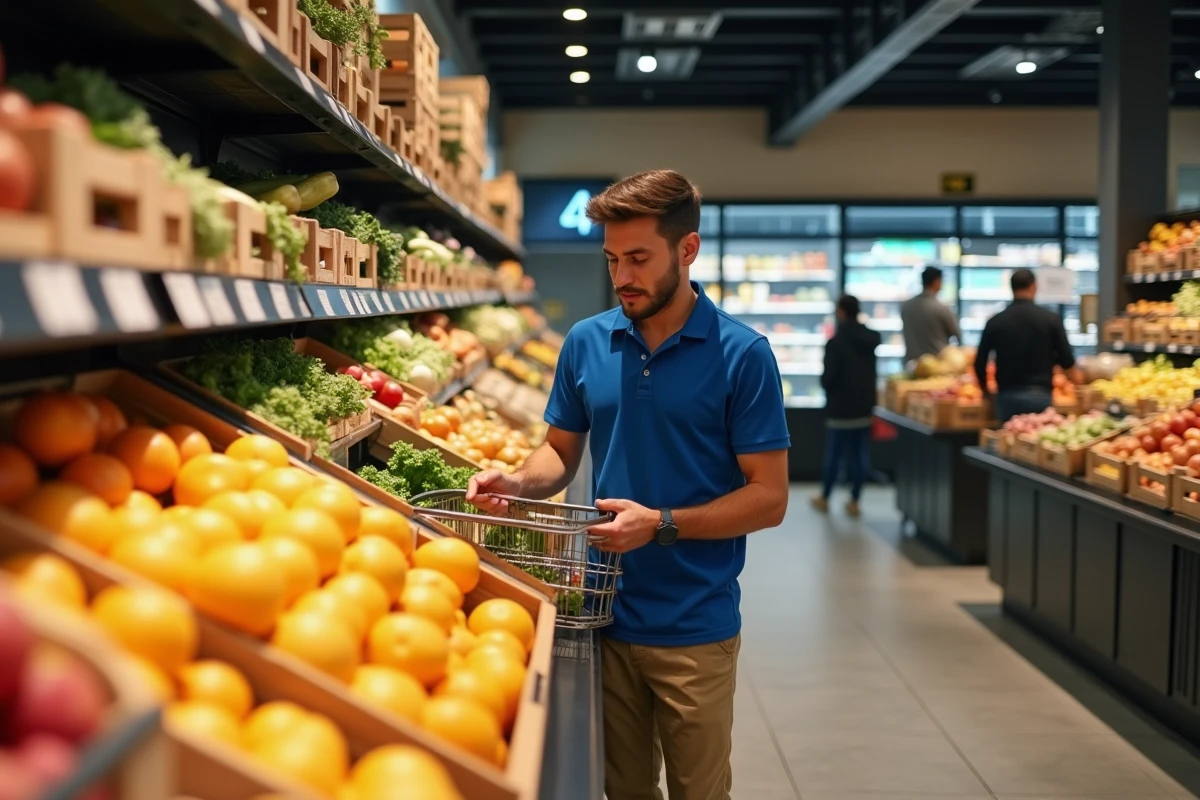
Anticipate Without Panic: Practical Tips for Building Effective and Suitable Reserves
When the food shortage in France 2026 enters conversations, the urge to stockpile everything can quickly take over. However, a bit of method changes everything. Organizations like the French Red Cross or the National Federation of Civil Protection recommend a thoughtful selection to limit waste without sacrificing nutritional balance.
Essential Items to Prioritize
To build a solid and sustainable stock, prioritize the following products:
- White rice: With a shelf life that can be counted in years if stored away from moisture, it provides a reliable base.
- Oats: Their storage is remarkable in an airtight container. Rich in fiber, protein, and minerals, they provide lasting satiety.
- Legumes (lentils, dried peas): Sources of plant-based protein, they remain storable long-term and can be incorporated into a multitude of recipes.
Long-term storage of goods is not improvised. Favor simple foods with a short ingredient list to limit degradation risks. An airtight package, kept in the shade and away from temperature fluctuations, prolongs their quality.
Remember to regularly consult updated advice from specialized organizations to adapt your reserves according to changes in price and availability. It is possible to aim for a cheaper basket while maintaining diversity and quality. In the face of the reality of sparse shelves, reasoned stock management makes a difference. A thoughtful choice is better than haste.
Tomorrow, grocery shopping could resemble a treasure hunt. The question is no longer whether, but when the next shortage will invade the daily lives of the French.