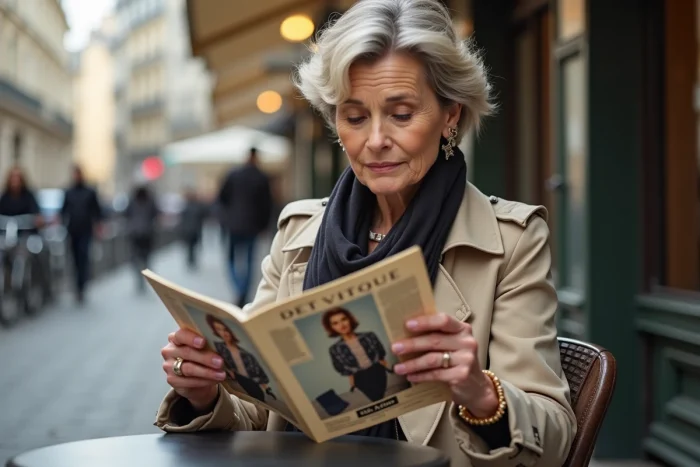
In 1932, a decree banned advertising for weight loss products in publications aimed at women, even as these same publications proliferated advice on how to slim one’s figure. Between injunctions to self-acceptance and the promotion of unattainable ideals, women’s magazines move in the opposite direction.
A glance at the covers reveals contradictory messages: on one hand, diversity is celebrated, while on the other, beauty sections lay out methods to erase every detail deemed imperfect. This paradox shapes a dominant model that extends far beyond the simple magazine page. It influences social expectations, molds behaviors, and alters self-perception. The effects of this double discourse are felt long after the newspaper closes, in everyday life.
When women’s magazines shape beauty standards: a multifaceted mirror
Since the 19th century, women’s magazines have played an active role in constructing the image of the French woman, constantly navigating between advice on appearance and openness to greater diversity. The archives of Petit Echo de la Mode, a must-read for women’s magazines in Paris, provide a striking insight into how each era has staged its own norms. With each cover, we find this oscillation between fashion trends and aspirations for emancipation: women’s magazines serve as a mirror and, at times, a driving force for social evolution.
Through its pages, the paper culture imprints its codes: beauty rituals, practical advice, social or literary columns. The newspaper becomes a space for exchange, where modernity dialogues with a certain nostalgia. Much more than a simple sounding board, the press amplifies and shapes norms, while sometimes subjecting them to critique.
As one browses the shelves of libraries, the plurality of titles illuminates how magazines have accompanied, and sometimes preceded, changes in mentality. Beyond prescribing silhouettes and styles, they allow new expectations to filter through, contributing to nurturing different dreams. The repercussions of this editorial work are tangible: women’s magazines are never a neutral mirror; they weigh on the definition of social roles, desires, and collective imaginations.
Aesthetic pressure and social expectations: what impacts on self-perception?
Over time, women’s magazines have established themselves as a force that shapes femininity through their pages. Women’s magazines highlight elongated bodies, flawless faces, and perfectly orchestrated lives. The women’s newspaper then becomes a prescriptive voice, distilling beauty advice and implicit messages about the right way to be a woman.
This aesthetic pressure seeps into everyday choices: in selecting an outfit, in the way one styles their hair, in every makeup gesture. Magazines, adept at blending ideal and norm, echo collective expectations. This editorial dialogue not only shapes habits but also acts deeply on self-perception, personal esteem, and how one positions themselves in society.
To illustrate the variety of influences, here are some areas where this pressure manifests:
- Body norms: the expected silhouette, the valued complexion, the clothing style to adopt
- Social roles: the search for balance between work and family life, the valorization of success
- Assertion of women’s rights: between claimed demands and persistent contradictions
Across generations, readers navigate between adherence, critical distance, and the desire to emancipate themselves. Women’s magazines, both a space for expression and a field of constraints, bear the imprint of struggles, hesitations, advances, and setbacks. Between the idealized image and lived reality lies a constant tension, fueled by the repetition of models and the rarity of proposed alternatives. This daily staging influences self-construction and questions the ability to assert oneself outside established paths.
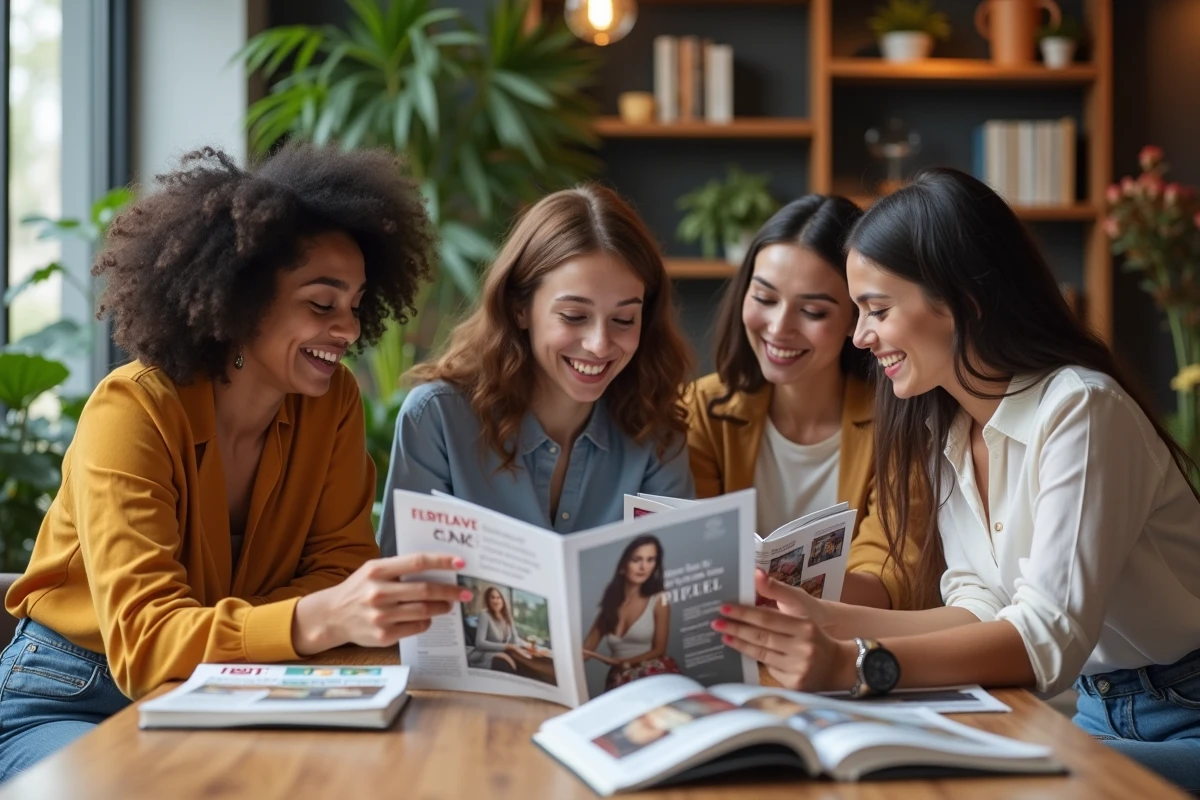
What if we rethought our relationship with women’s magazines? Towards a more critical and liberating reading
For a long time, women’s magazines imposed their rhythm on the collective imagination. Behind every shiny cover, there are narratives, models, and more or less explicit guidelines. But today, it becomes necessary to reconsider these references. In the face of a flood of calibrated images, a critical reading takes on full meaning. Scrutinizing the representation of women, questioning editorial angles, and reflecting on the real place given to diversity: this is a salutary gesture. The evolution of mentalities is also reflected in the emergence of new voices, like Lucie Barette, who already asserted a desire for emancipation in the 19th century.
The rise of feminist press and the emergence of social media reshuffle the cards: women are speaking out, challenging stereotypes, and advocating for the plurality of experiences and bodies. The women’s newspaper is no longer limited to disseminating norms; it becomes a tool for analysis, a platform, and sometimes a counter-power. Recently, some titles are redefining their approach, voices are being liberated, and reading is becoming more engaged.
Here are some suggestions for approaching these publications differently:
- Deconstructing the discourses: who is speaking, for whom, with what words?
- Identifying the unspoken, biases, and absent themes.
- Demanding multiple narratives and plural perspectives on reality.
The strength of feminism lies in this ability to question and open up new perspectives. Instead of following injunctions, it is about turning towards a press that enlightens and interrogates the place occupied by women in society. The dialogue between history and the present deepens, reflection enriches, and freedom of tone settles in. Reading differently is already a step towards changing the game: what if, tomorrow, women’s magazines finally dared to reflect the diversity of reality?