43% of retirees express a feeling of isolation, even though clubs and associations have never been more accessible. These figures raise questions, contrary to the image of a connected and dynamic old age. However, regularly participating in group activities is much more than a leisure activity: it is a major lever for brain health, confirmed by solid studies over several years.
Some practices, still little known, transform the daily lives of seniors and open up unexpected perspectives. It is noted that many services and resources, although suitable for everyone, remain largely underutilized. It is time to revisit the possibilities offered, far from preconceived ideas.
Why retirement is an ideal time to thrive among seniors
The transition to retirement disrupts time management. Gone are the time constraints: a new stage opens where everyone can choose their priorities and reinvent their daily lives. For many seniors, this is an opportunity to consolidate their balance and create a richer social life. This period does not signify withdrawal; it paves the way for new sharing and the transmission of knowledge.
Recent studies are clear: retirement offers privileged access to a multitude of suitable activities, whether physical, creative, or intellectual. Take gardening: it improves fitness and mental health while providing moments of exchange with those around. Others choose to engage in volunteering or mentoring, to share their experience and remain fully involved in society. The collective then becomes central:
- workshops
- classes
- organized trips
these settings promote exchange and help break isolation.
Caring for one’s health also involves prevention and regular medical follow-up. This more flexible rhythm allows for the adoption of good habits in the long term, away from professional pressure. Flourishing is built on the diversity of choices:
- some explore new interests
- others continue a professional activity through the combination of work and retirement
Platforms such as le-club-des-seniors.com showcase the vitality of the sector: practical advice, activity ideas, testimonials, highlighting solidarity initiatives. Experienced in a group, retirement becomes a field of exploration where everyone shapes their living environment according to their desires.
What activities to prioritize to stay active, curious, and healthy?
After 60, staying active is not an illusion. Adapted physical activities, walking, gentle gym, yoga, tai chi, swimming, punctuate the week and help maintain physical condition. Nordic walking or aquagym, for example, combine accessibility with real benefits for balance, coordination, and breathing.
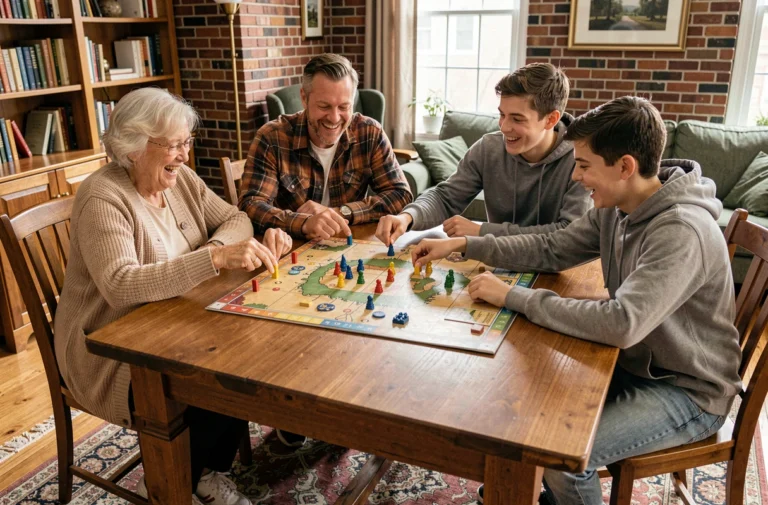
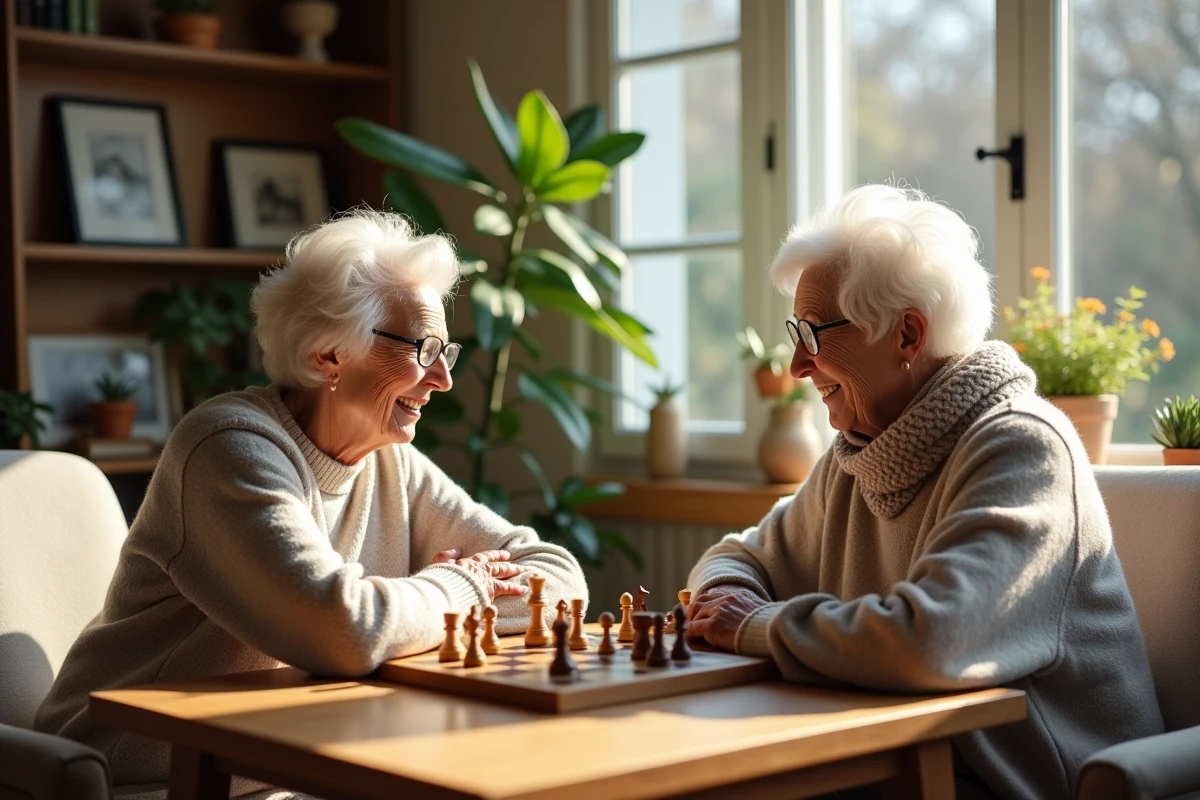
Intellectual stimulation must also hold a prominent place. Participating in a book club, writing workshops, or trying out board games maintains memory and curiosity while limiting the risk of cognitive decline. Learning to use a tablet or discovering digital photography also helps stay connected with the world and loved ones.
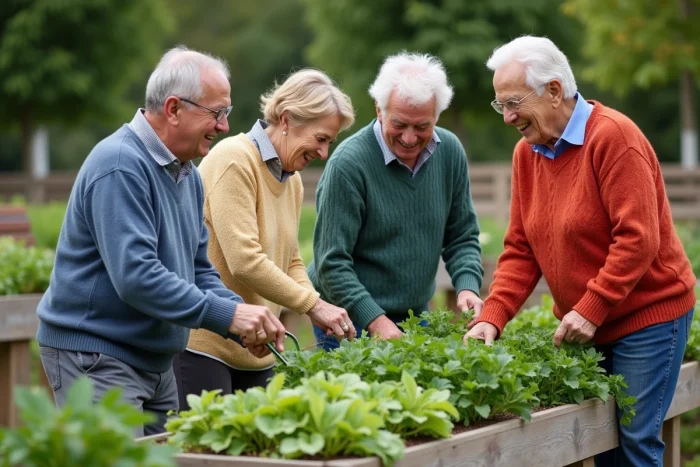
Artistic expression plays a valuable role in mental health and self-confidence: painting, music, theater, or art therapy allow for the expression of emotions, cultivating patience, and regaining the feeling of being useful. Gardening, in turn, combines physical activity, contact with nature, and exchanges between neighbors. A concrete example of a complete activity, beneficial on all levels.
Diet profoundly influences well-being. Prioritizing a Mediterranean-style diet, with fruits, vegetables, fish, and olive oil, helps fend off the effects of aging. By diversifying leisure activities and pleasures at the table, one builds a harmonious lifestyle conducive to energy and connection with others.
Concrete advice to strengthen social ties and fully enjoy this new stage
Social connection is not an option; it is the foundation of a dynamic retirement. Creating opportunities for meeting, multiplying shared moments: the strength of the collective protects against loneliness, boosts self-esteem, and supports mental health. Several avenues deserve to be explored:
- attending clubs dedicated to seniors
- signing up for discussion workshops
- going on organized trips
These convivial spaces can be found in neighborhoods, service residences, or online, offering everyone the chance to get involved at their own pace.
Family also plays a structuring role. The support of a loved one provides listening, security, and reference points, while exchanges between generations promote transmission. Sharing a passion, teaching a skill, accompanying a child in their first musical or literary steps, all of this strengthens cohesion and rekindles the feeling of usefulness.
Structuring one’s days, varying collective activities, conferences, creative workshops, book clubs, helps maintain a good balance. In residences, the range of services expands: tele-assistance for safety, activities for flourishing, support groups for morale. Medical support and, if needed, psychological assistance can complement the system to ensure a peaceful retirement.
Finally, many cultural and sports organizations offer preferential rates reserved for seniors: an opportunity to participate in local life, multiply outings, and maintain a rich social life.
Retirement is not a stopping point: it is a launching pad towards new possibilities. It is up to each individual to invent the next chapter, according to their desires and encounters.