
On the list of unexpected advice, this one may surprise you: tabbouleh, a classic of summer tables, is not among the dishes that can be frozen without a second thought. From both industrial and artisanal perspectives, the question of its resistance to extreme cold is divisive. Some ingredients withstand the shock, while others collapse. This wide gap explains why the adventure of tabbouleh in the freezer deserves careful consideration before being attempted lightly.
Between factory-made tabbouleh and the homemade version served in a salad bowl on Sundays, the gap is real. Industrial producers load their recipes with additives and stabilizers that protect the texture, while at home, everything relies on the raw quality of the vegetables and herbs. Despite these differences, there are a few simple reflexes to limit disappointment when taking it out of the freezer and to save what can be salvaged during defrosting.
Industrial or homemade tabbouleh: risk-free freezing or mission impossible?
Tabbouleh is appealing for its freshness, but it does not handle extreme cold well. Questions arise as soon as it comes to methods: can industrial tabbouleh be frozen without losing flavor, or even risking some health issues? In real life, the difference is striking: the homemade version, lacking preservatives, often comes out of the freezer with a soft, wilted texture. The industrial version, better protected by its additives, remains more uniform… but does not regain its initial crunch or freshness.
The danger mainly comes from water-rich vegetables. Tomatoes, cucumbers, fresh herbs—all these little ingredients break down and lose their splendor. Even the seasoning dissolves, dulling the aromas. If you prepare your meals in advance or want to manage leftovers, tabbouleh can be kept peacefully in the fridge for three days. For longer storage, the freezer extends its life up to three months, provided you pay attention to the texture and smell when it’s time to enjoy it.
Ingredients: what freezing really changes for tabbouleh
This classic relies on a few pillars: semolina or bulgur, finely chopped vegetables, a bunch of herbs, and a drizzle of olive oil. The freshness, so sought after in this salad, never comes out unscathed from the extreme cold. It is mainly the most watery ingredients that pay the price.
To better understand, here is the impact of freezing on the main ingredients:
- Semolina and bulgur: They withstand the cold quite well, as long as they have been properly rehydrated beforehand. Their texture survives, but they sometimes absorb the water released by the vegetables.
- Fresh herbs (parsley, mint): True victims of the freezer. They lose their color, become dull and soft, and their aromas literally fade away.
- Water-rich vegetables (tomatoes, cucumbers, peppers): After freezing, they come out soft and waterlogged, with their crunch gone. Even their taste becomes faint.
- Olive oil: This is not the problem: it tolerates freezing quite well, but its role remains minor in the overall structure of the dish.
Not surprisingly, the more a tabbouleh contains fresh vegetables and herbs, the less successful freezing will be. Some try to mix the herbs with oil to limit damage, but the difference in taste remains striking. Keeping your tabbouleh in the refrigerator for a few days is still the best way to preserve its character, as freezing is always a compromise.
How to limit damage: practical steps before and after the freezer
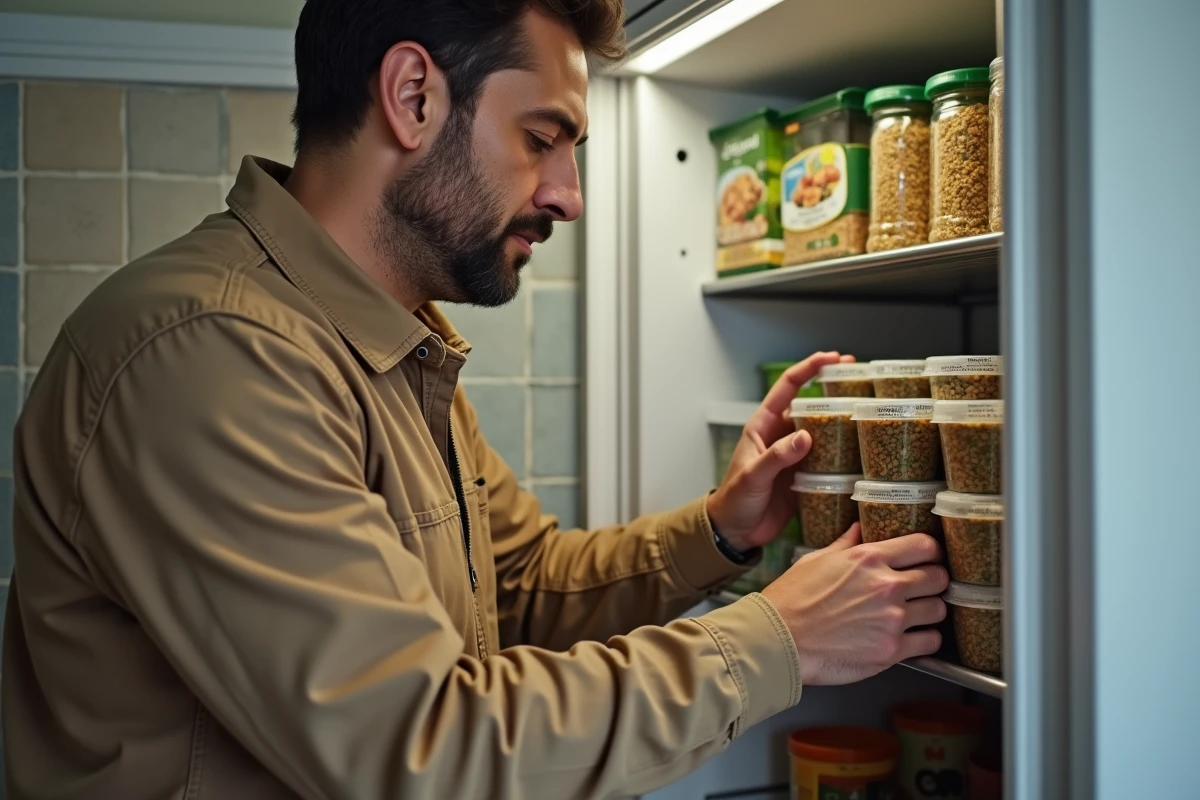
It’s difficult to avoid the effects of freezing, but a few precautions can simplify life. Always start by letting the dish cool completely at room temperature before wrapping the tabbouleh in an airtight container. For those planning multiple meals, it’s better to opt for small portions to only defrost the desired amount. This reduces the frequency of cold immersions and helps maintain maximum freshness. Using suitable bags or plastic wrap prevents the formation of ice crystals that ruin the texture.
To successfully freeze and defrost, certain steps really change the outcome:
- Put the tabbouleh in the freezer only after it has completely cooled, and if possible, without lemon or vinegar; add them later to regain a clearer flavor at serving time.
- Stick to a maximum storage of three months in the freezer, three days in the fridge.
- Defrost the tabbouleh slowly in the refrigerator. This pace limits health risks and preserves more structure in the ingredients.
- Just before serving, a drizzle of lemon juice can awaken flavors that may have faded during freezing.
Once taken out of the freezer, keep an eye and nose alert: a sticky texture, excess water, or a bland smell means you should forgo tasting. Those who plan their meals in advance can continue to freeze tabbouleh, keeping in mind that the freshness and zest of the day’s versions are never truly regained. Tabbouleh, in truth, does not like to wait and reveals its best qualities right after preparation. The next time the freezer tempts you, weigh the options: speed or flavor, duration or vibrancy, and trust yourself on the final verdict.